Our team brings experience in aerospace, space, automotive and embedded systems to robotics and autonomous software. We connect AI research with the engineering discipline needed for systems that operate within defined limits.
Founder & CEO
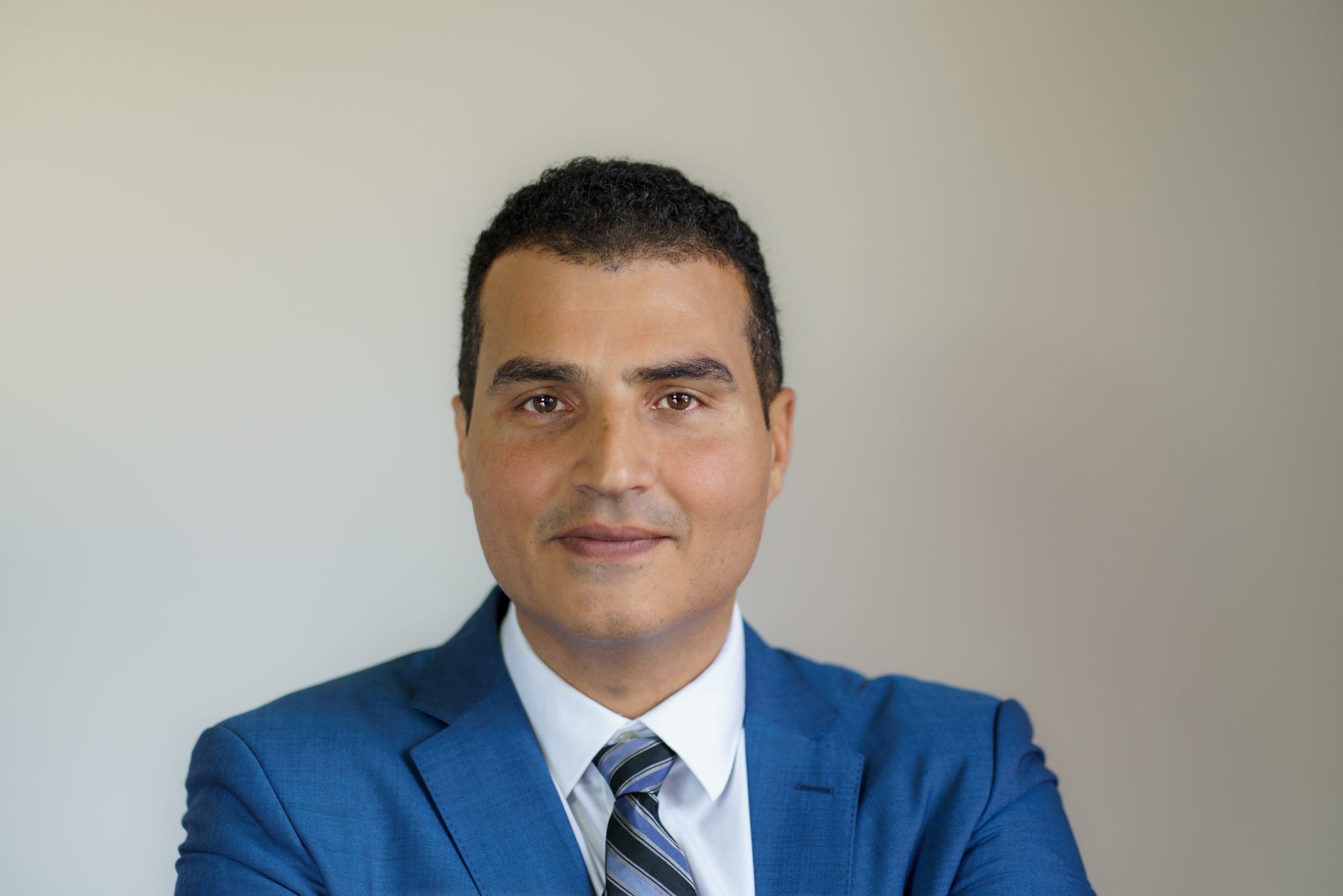
Loay Elbasyouni
Loay contributed to NASA’s Ingenuity Mars Helicopter at AeroVironment and later led rocket-engine avionics at Blue Origin. He founded AstraQua to build autonomous machines that understand their condition, reason about missions and adapt when capabilities change.
Loay Elbasyouni is an electrical and computer engineer, entrepreneur and founder of AstraQua whose career spans planetary exploration, rocket-engine avionics and autonomous systems.
At AeroVironment, he contributed to the electrical, power and propulsion development of NASA’s Ingenuity Mars Helicopter. Ingenuity went on to make the first powered, controlled flight on another planet—a milestone built on engineering within demanding power, weight and environmental limits.
He later led rocket-engine avionics at Blue Origin. His broader engineering and technical leadership experience includes GE, Safran and AeroVironment, spanning power electronics, intelligent sensing, propulsion and efficient embedded computing.
At AstraQua, Loay is applying that experience to a challenge on Earth: giving autonomous machines intelligence they can use under real-world constraints. Through AQFM and specialized agents including AstraSense, AstraQua is developing software that connects perception, real-time machine-health awareness and mission reasoning—so systems can account for changing conditions, coordinate with others, and replan or return when their capabilities change.
Founding Engineer
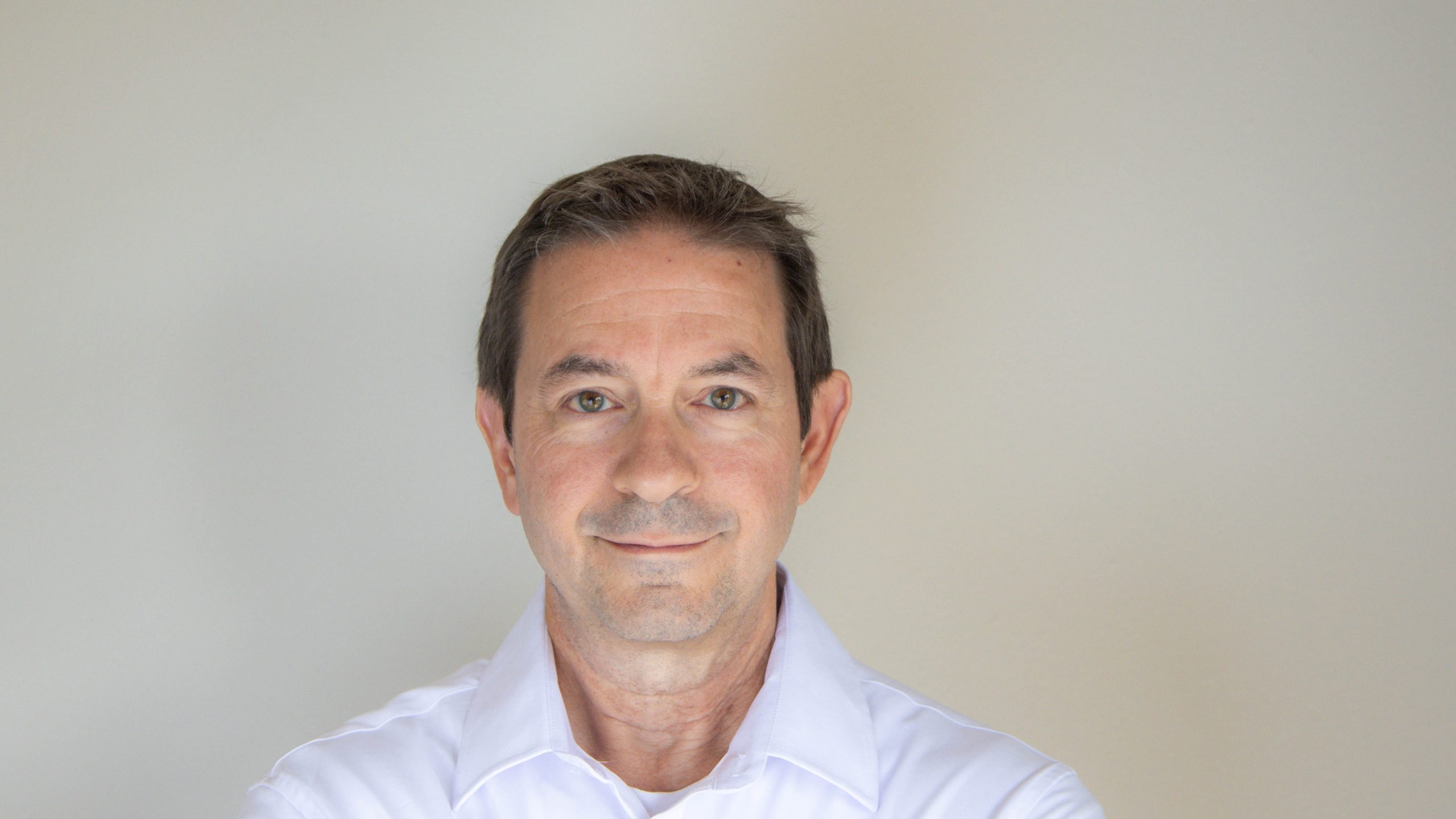
Kosta Varnavas
Kosta leads AstraQua’s compute architecture and embedded AI infrastructure. His more than 30 years in aerospace computing span spacecraft, lunar landers and uncrewed aircraft, with a focus on efficient, reliable systems under strict power and size limits.
Kosta Varnavas brings more than 30 years of experience designing mission-critical computing systems for aerospace and autonomous platforms. His work spans CPU, GPU, FPGA, memory and communications architectures for spacecraft, lunar landers and uncrewed aircraft, with attention to fault tolerance, power and reliability. At AstraQua, he leads compute architecture and embedded AI infrastructure, turning demanding mission requirements into efficient onboard computing systems.
Our engineering approach
A shared ambition. Engineering discipline.
Our safety-focused engineering approach starts with clear requirements, operating limits and testable behavior. These principles guide AQFM’s development across perception, reasoning, health awareness and coordination. Mission Lab fault scenarios and regression checks verify illustrated responses; platform integration and validation remain program-specific.
Our Team at Work
Hands-on engineering, collaboration and sharing what we build.
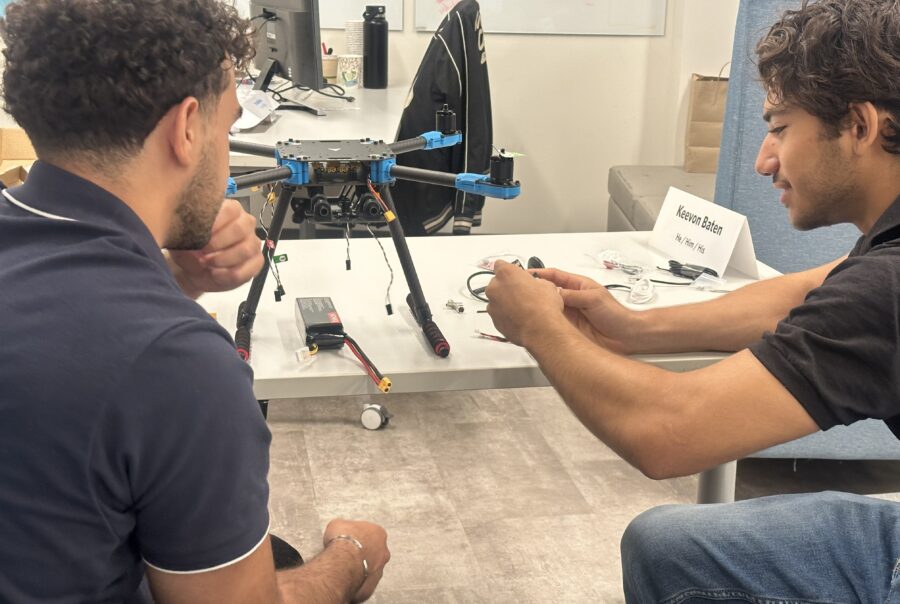
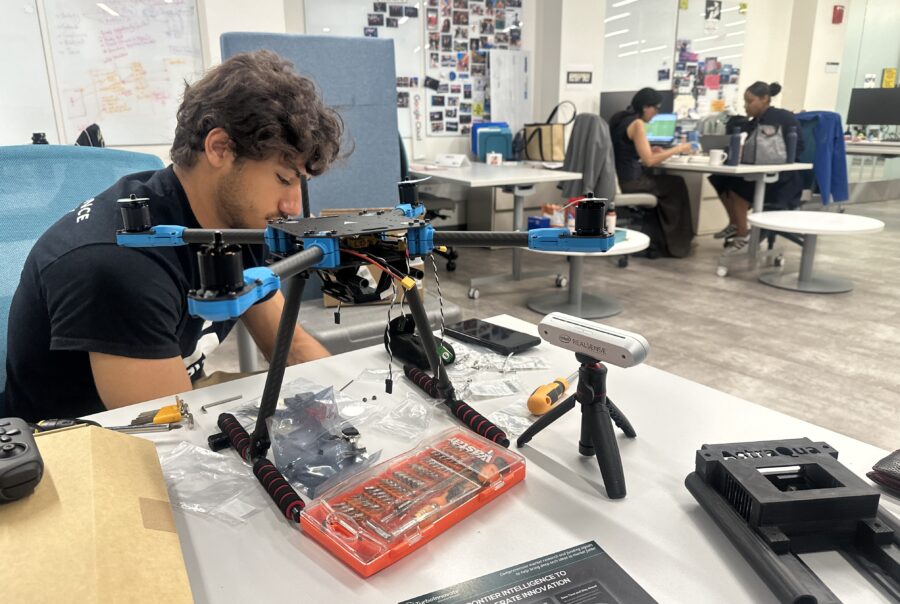
Hands-on drone assembly and integration work.
Building and integrating autonomous robot hardware.
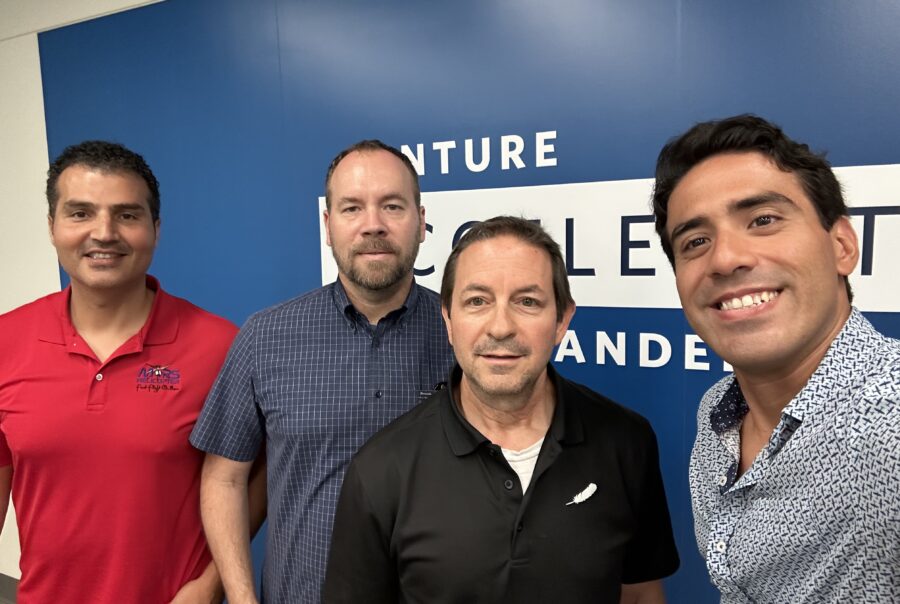
Collaboration at the Venture Accelerator at UCLA Anderson.
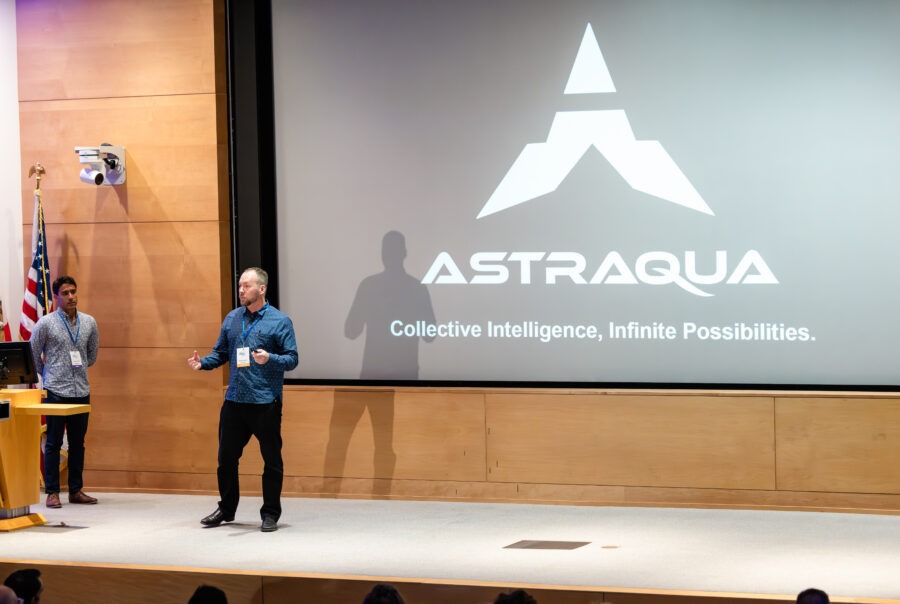
Sharing AstraQua’s work at the UCLA Draper Innovation Showcase.
Individual prior experience
Experience Behind AstraQua
Prior engineering roles and project contributions inform how we build autonomous systems today.
NASA Ingenuity
Loay contributed to the Mars Helicopter’s electrical, power and propulsion development while at AeroVironment.
Blue Origin
Loay previously led rocket-engine avionics at Blue Origin.
AeroVironment
Loay’s previous engineering roles included work at AeroVironment.
“Great technology starts with great people. We’re building a team that’s not just talented, but aligned in purpose and vision.”
Build With AstraQua
Explore engineering opportunities or start a conversation about working together.