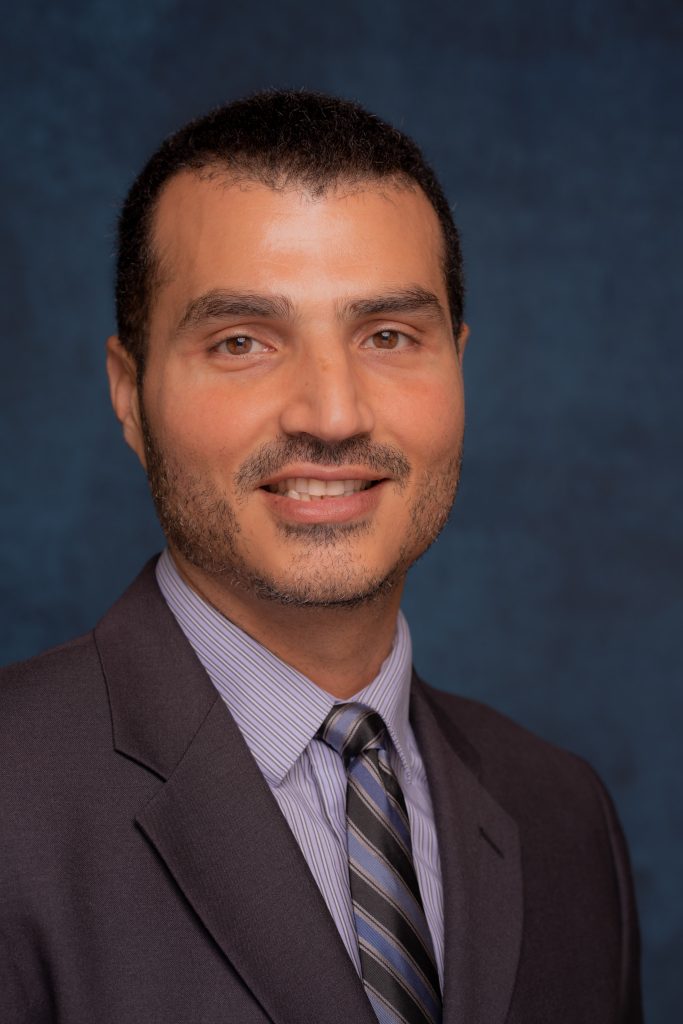
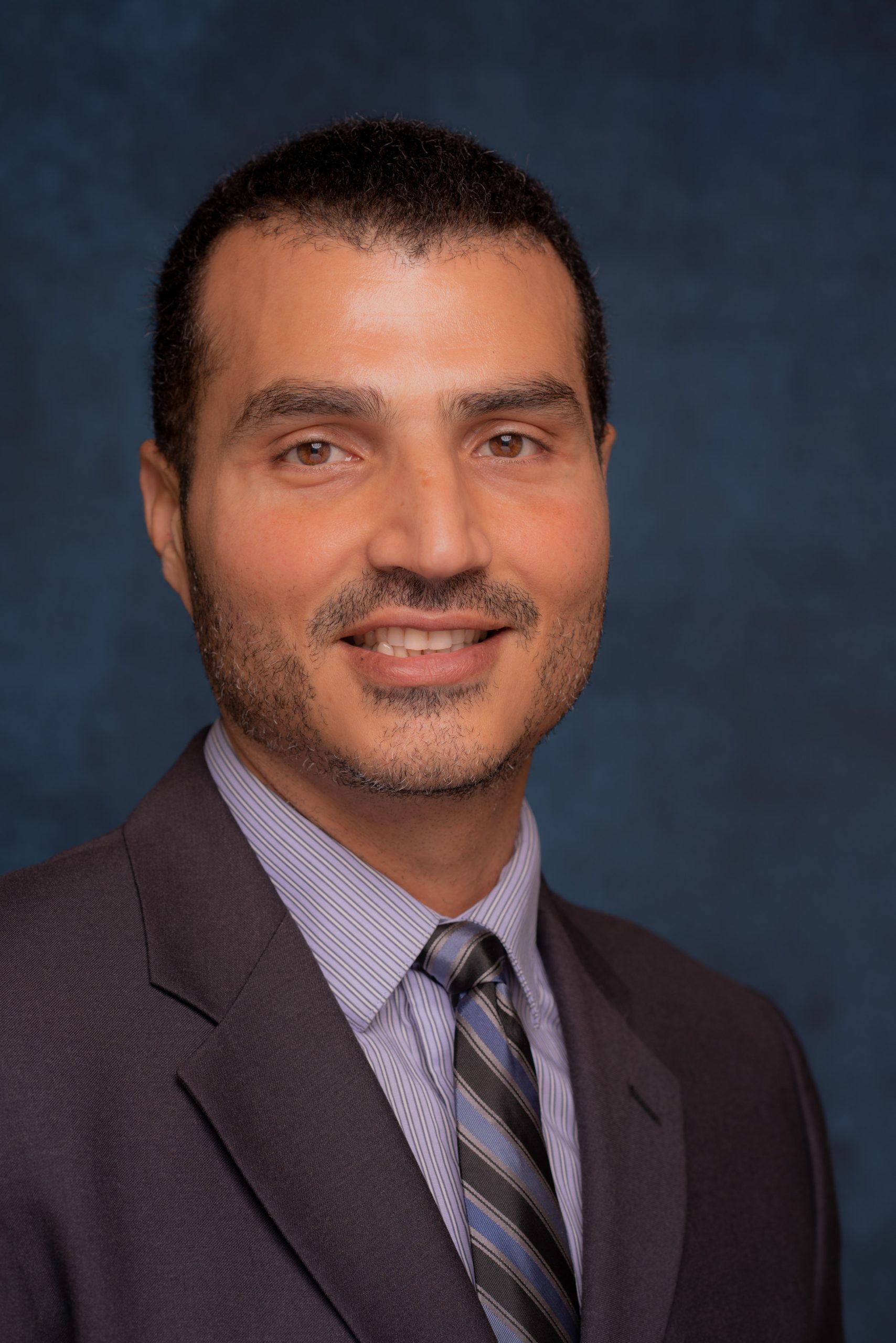
The University of Louisville’s J.B. Speed School of Engineering honored AstraQua Founder and CEO Loay Elbasyouni with its 2025 Inclusive Excellence Award. The university recognized his contributions across engineering, entrepreneurship, space innovation, mentorship, and STEM advocacy, a combination the award is specifically built to single out.
It is not a technical achievement award. The Inclusive Excellence Award looks at the full picture of how someone works, not just what they have built, and recognizes people who open doors for others while doing serious engineering work themselves. For Loay, that meant a body of work spanning a NASA mission, a growing company, and years of mentoring the next generation of engineers.
An award like this rarely comes from a single accomplishment. It comes from a pattern, repeated engagement with students, repeated willingness to speak publicly about a nontraditional path into engineering, and a career built on projects that took genuine technical risk. UofL’s recognition treats that pattern as worth naming rather than treating it as background noise around the engineering itself.
A Career That Predates AstraQua
The recognition connects AstraQua’s emerging work with a leadership record that goes back well before the company existed. Loay’s engineering career spans aerospace, robotics, and electric systems, including work on the Ingenuity Mars helicopter, one of the most closely watched engineering achievements of the last decade. Getting a rotorcraft to fly in an atmosphere with roughly one percent the density of Earth’s required solving problems that had no existing playbook.
That kind of work builds a specific kind of credibility, the kind that comes from doing something genuinely hard under conditions where failure is public and expensive. It is also the kind of background that does not disappear when someone starts a new company. It travels with them, and it shapes how they build.
Beyond Ingenuity, that career included time across the automotive industry and Blue Origin, environments with their own version of the same constraint: build something that has to work the first time, in conditions you cannot fully simulate in advance. Founders who come out of that kind of engineering culture tend to carry a low tolerance for unproven claims, their own included, and a habit of testing assumptions before betting a company on them.
Resilient autonomy requires defined responses to degraded positioning and communications, verified for each application.
Why This Matters for AstraQua
Awards for individual founders do not always translate into something meaningful for the company they lead, but this one does. AstraQua is still an early-stage company, and at this stage, a large part of how outsiders judge a company is by judging the people running it. A recognition like this gives investors, partners, and potential hires an external, independent signal that the person leading AstraQua has both the technical depth and the track record to back up what the company is building.
It also reinforces something AstraQua has leaned into deliberately: mentorship and STEM advocacy are not side projects for Loay, they are part of how he approaches leadership. That matters for a company trying to attract engineers who want to work somewhere that takes both the technology and the people seriously.
There is also a quieter effect worth naming: recognition like this tends to open conversations that a cold outreach email cannot. University partnerships, speaking invitations, and introductions to other engineers considering nontraditional paths often follow directly from moments like this one, and each of those conversations is a small, compounding advantage for a company still building its network.
Read the University of Louisville profile and meet AstraQua’s leadership.
AQFM™ is the intelligence foundation we are developing for a modular autonomy architecture, with AstraSense contributing specialized health intelligence.