
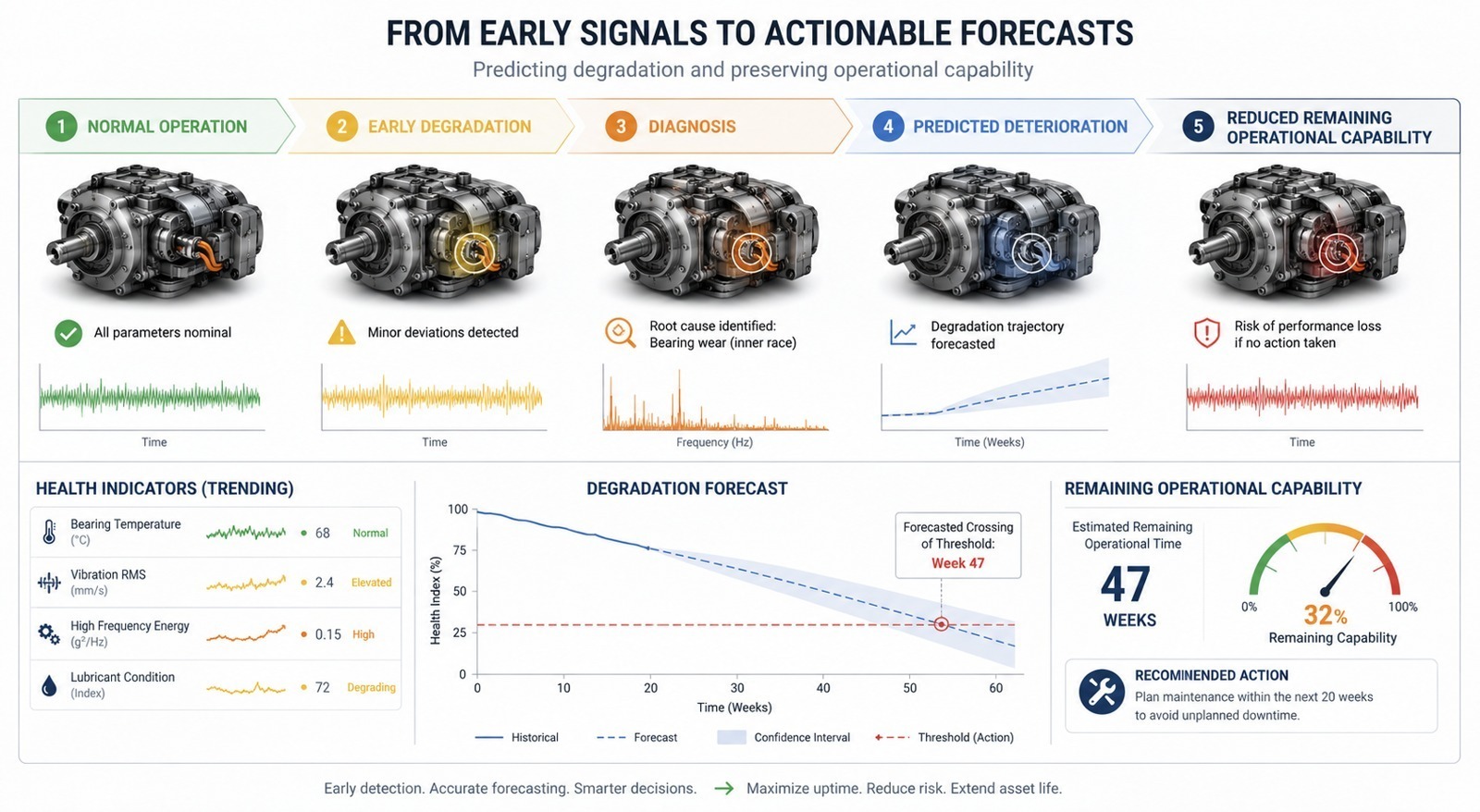
AstraQua completed its NASA SBIR Phase I effort for AstraSense, delivering the required technical work, demonstration material, development plan, requirements documentation, and supporting reports. Internal closeout documentation identifies the performance period as September 29, 2025 through March 27, 2026.
The effort followed NASA’s September 2025 Phase I award for “AstraSense: AI-Driven Health Predictions for Sustainable Aviation.”
What the Phase I Effort Established
The completed effort established a foundation for continued development of AI-driven health awareness for electrified-aircraft systems and supported AstraQua’s subsequent Phase II proposal.
AstraSense is intended to connect real-time diagnostics and prognosis with an aircraft’s remaining capability. This health-intelligence agent contributes to AstraQua’s broader autonomy architecture; integrated mission replanning and fleet recovery require further application-specific development and validation.
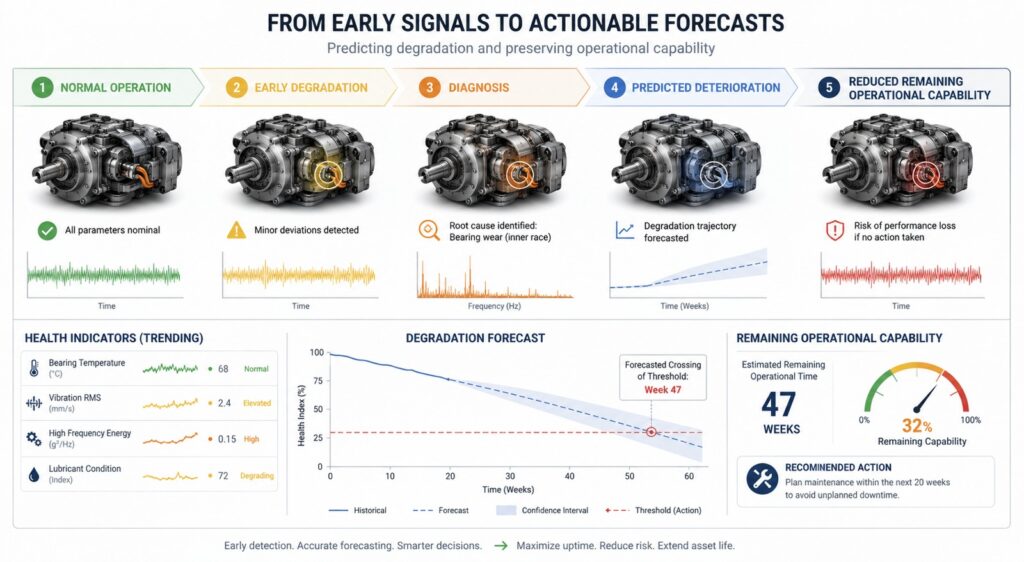
AstraQua builds intelligence for systems that must keep operating when power, compute, and connectivity are limited.
Why Completion Matters
Completing Phase I demonstrates execution against a federal R&D program and creates a documented technical baseline for follow-on work.
Learn more about AstraSense and opportunities for aviation collaboration.
AQFM™ is the intelligence foundation we are developing for a modular autonomy architecture, with AstraSense contributing specialized health intelligence.